Pawn shops offer a quick way to turn valuable items into cash. People often bring in gold, jewelry, watches, electronics, or tools. Yet many wonder why a pawn shop offers less than the price they originally paid.
Understanding how pawn shops determine value can help you make better decisions before selling or pawning your belongings.
Pawn shops do not simply guess prices. They look at an item’s condition, market demand, resale price, and other factors. They also consider how quickly they can sell it.
Each item goes through a review before the shop makes an offer. Knowing what happens during this process can help you prepare, ask better questions, and avoid surprises.
What Is Pawn Shop Valuation?
Pawn shop valuation is the process of finding out how much an item is worth in the resale market. A pawnbroker checks the item and estimates what a buyer might pay for it.
However, the estimated resale value is not the same as the amount a pawn shop will offer.
Pawn shops need to cover business costs and the risk of holding or reselling items. For this reason, their offers are often lower than expected resale prices.
How the Valuation Process Works
Most pawn shops follow a few basic steps:
Item inspection: The pawnbroker checks the item’s condition and features.
Authenticity check: The shop looks for signs that the item is genuine.
Market research: The broker compares prices for similar used items.
Demand review: The shop considers how easily the item might sell.
Final offer: The broker makes a cash purchase or pawn loan offer.
The exact process depends on the item and the shop’s policies.
Key Factors That Affect Pawn Shop Offers
Several factors explain how pawn shops determine value when someone brings in an item.
1. Current Market Value
Market value plays a major role in pricing.
Pawn shops often compare an item with similar products that have recently sold. Actual sell gold Melbourne prices usually matter more than high asking prices.
For example, a used smartphone may have cost $900 when new. However, if similar phones now sell for $350, the shop will use today’s market as its starting point.
2. Item Condition
Items in good condition usually receive stronger offers.
Pawnbrokers look for:
Scratches, dents, and visible damage
Missing parts or accessories
Signs of heavy use
Working features and functions
Overall cleanliness
A working laptop with its charger may be easier to sell than one with a damaged screen.
3. Brand and Product Demand
Some brands attract more buyers than others.
Well-known watches, popular electronics, and trusted power tool brands may have stronger resale demand.
However, a famous brand does not guarantee a high offer. The product’s age, condition, and current popularity still matter.
4. Authenticity and Documentation
Pawn shops need to know whether an item is genuine.
Receipts, certificates, serial numbers, and original packaging can help support an item’s identity.
For expensive jewelry or watches, proper documents may make the evaluation easier. Still, paperwork alone does not prove value.
How Pawn Shops Evaluate Different Items
Not every product receives the same type of inspection. Pawn shops use different methods based on what customers bring in.
Gold and Jewelry
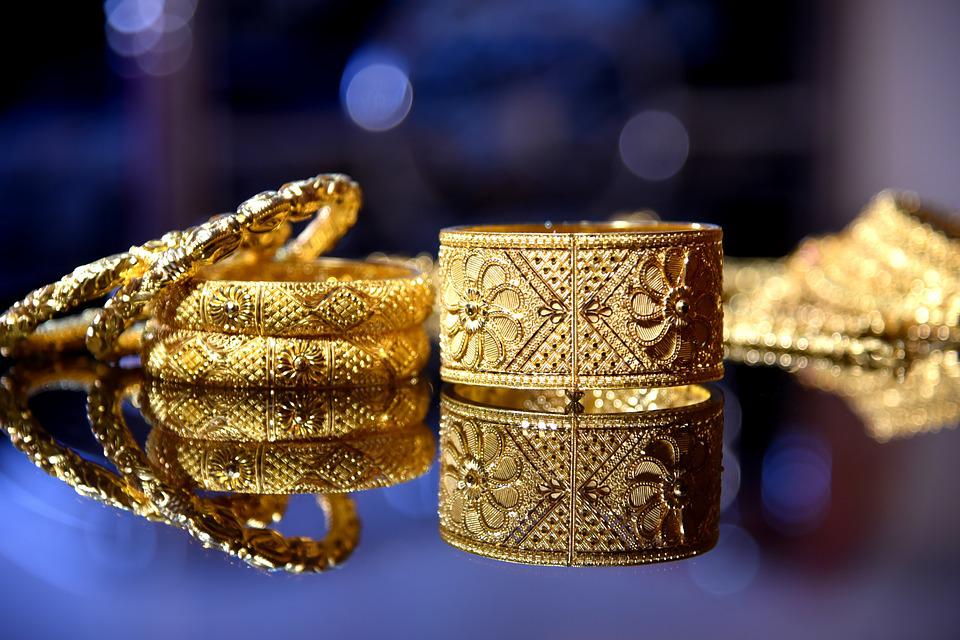
Gold jewelry is often valued using its weight, purity, and current gold price.
A pawnbroker may check whether the item contains 10K, 14K, 18K, or another gold purity.
For example, 18K gold contains 75% gold by weight, while 14K gold contains about 58.3%.
The shop may also consider gemstones, design, brand, and condition.
However, many ordinary gold pieces receive offers based mainly on their metal content rather than their original retail price.
Electronics
Electronics lose value as newer models enter the market.
Pawn shops commonly check:
Model and age
Battery condition
Storage capacity
Screen and hardware damage
Working accessories
Current resale demand
Phones and laptops may also need to be unlocked and free from account restrictions.
Watches and Luxury Goods
Luxury watches may require closer inspection.
Pawnbrokers review the brand, model, authenticity, condition, and resale history.
Original boxes and service records can help, especially for collectible models.
Tools and Musical Instruments
Power tools, guitars, and other equipment are usually tested for function and wear.
A reliable tool with strong local demand may receive a better offer than an older model that rarely sells.
Why People Want to Understand Pawn Shop Pricing
People visit pawn shops for different reasons. Some want quick cash, while others want to sell items they no longer use.
Learning how valuation works helps customers decide whether an offer meets their needs.
Selling Versus Pawning
Selling transfers ownership of an item to the shop.
Pawning works differently. You use the item as security for a loan and can recover it by meeting the loan terms.
The loan amount may differ from the shop’s purchase offer.
Pawn loans also involve fees or interest, depending on local laws and the agreement.
Understanding these differences helps customers compare their options.
Avoiding Unrealistic Expectations
A common mistake is expecting to receive the original purchase price.
Retail prices may include store costs, warranties, and profit margins. These amounts do not always carry over to the used market.
Knowing this can make price discussions easier.
User Experience and Accessibility at Pawn Shops
Pawn shops offer a fairly simple process. Customers bring in an item, receive an evaluation, and decide whether to accept the offer.
Many shops complete basic inspections during the visit.
However, complex items may take longer to assess.
Ways to Prepare Before Visiting
A little preparation may improve the experience.
Clean the item without using harsh products.
Bring chargers, accessories, and useful documents.
Research recent selling prices for similar items.
Check that electronics work properly.
Compare offers from more than one shop.
It also helps to ask how the pawnbroker calculated the offer.
A clear explanation can help you judge whether the price is reasonable.
Security, Trust, and Reliability
Trust matters when exchanging valuable belongings for cash.
Reputable pawn shops follow applicable local rules and explain their loan or purchase terms.
Requirements vary by location, but shops may need to verify identification and keep transaction records.
Questions Worth Asking
Before accepting an offer, ask about the payment amount, fees, and any conditions.
For pawn loans, confirm the repayment deadline and the total amount needed to recover your item.
Also, ask what happens if you cannot repay on time.
Read the agreement before signing. Keep your receipt and any loan documents in a safe place.
These simple steps help reduce confusion and protect your interests.
Future Trends in Pawn Shop Valuation
Technology is changing the way many businesses research used-item prices.
Pawn shops can now access online marketplaces, pricing databases, and product information more easily.
These tools may help brokers compare similar products and follow market changes.
Online Price Research
Online resale platforms provide useful information about demand and selling prices.
However, listed prices do not always reflect completed sales.
Pawnbrokers still need to judge an item’s condition and local demand.
Better Testing and Verification
Digital gold testers, electronic diagnostic tools, and authentication services can support more accurate evaluations.
Still, no tool can remove every risk. Skilled inspection and sound judgment remain important.
As these methods improve, customers may find it easier to understand why different items receive different offers.
Conclusion
Understanding how pawn shops determine value helps customers make informed choices when selling or pawning their belongings.
Pawnbrokers consider current resale prices, condition, authenticity, demand, and business costs before making an offer. Gold, electronics, watches, and tools may each require different checks.
The most useful step is to research your item’s current resale price before visiting a shop. Bring helpful documents, check the item’s condition, and compare offers when possible.
Remember that a pawn loan is different from selling an item. Always review the repayment terms, fees, and deadlines before agreeing.
With the right information, you can approach a pawn shop with realistic expectations, ask useful questions, and decide whether the offer is fair for your situation.