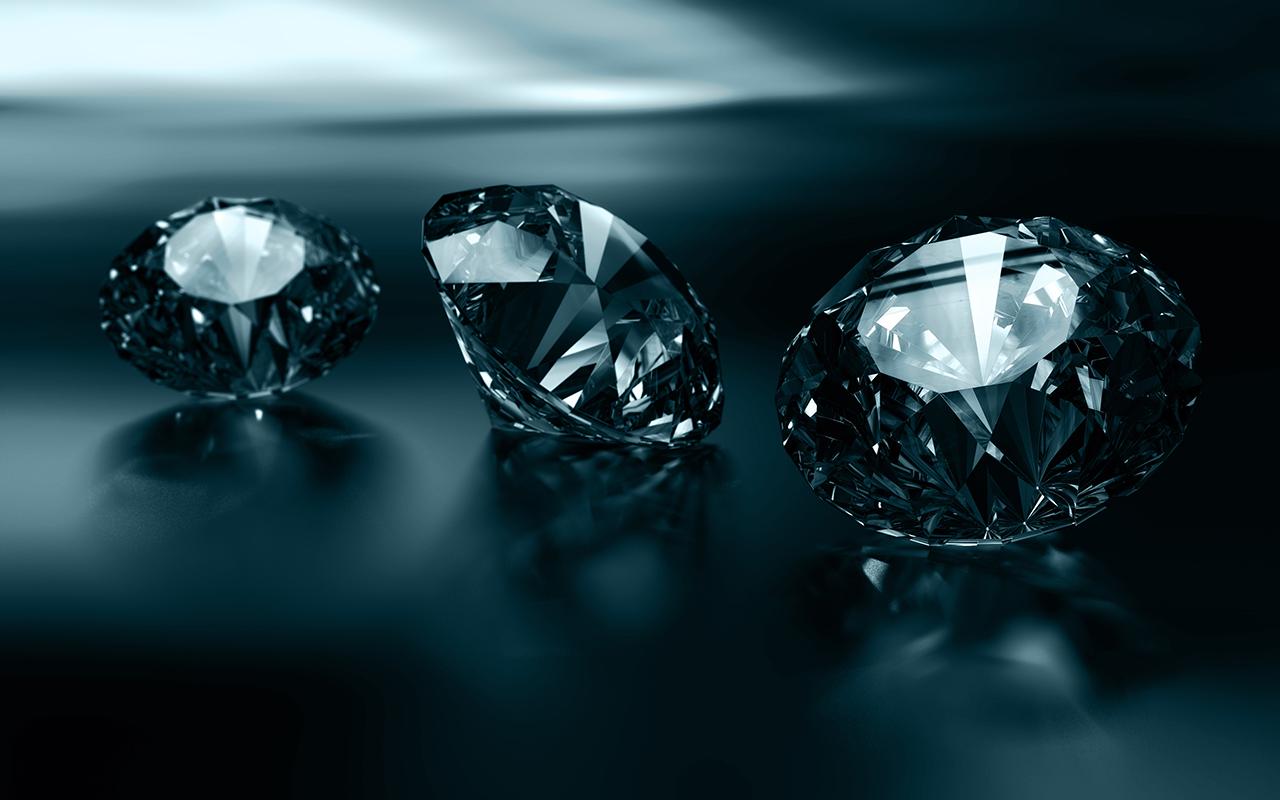
A good pair of diamond earrings can become part of your everyday routine. They work with casual clothes, professional outfits, and special occasion looks without demanding much attention. Still, choosing the right pair involves more than picking a design that looks attractive in photographs.
Many shoppers now consider lab diamond earrings because they offer the appearance and durability of natural diamonds at a generally lower purchase price. Understanding diamond quality, setting styles, and practical details can help you choose jewelry you’ll enjoy wearing for years.
Why Laboratory-Grown Diamonds Appeal to Buyers
Laboratory-grown diamonds aren’t imitation gemstones. They have essentially the same chemical composition, crystal structure, and optical properties as natural diamonds. The main difference is their origin.
Manufacturers produce lab made diamonds through controlled processes such as chemical vapor deposition (CVD) or high-pressure, high-temperature (HPHT) growth. Both methods create genuine diamond crystals rather than substitutes such as cubic zirconia.
Price is another reason shoppers consider these stones. Laboratory-grown diamonds typically cost less than comparable mined diamonds, allowing buyers to consider larger stones or more elaborate designs within their budgets.
However, purchase price and resale value are different considerations. Laboratory-grown diamonds generally have a weaker resale market, so they’re better viewed as jewelry purchases than financial investments.
Choosing an Earring Style That Fits Your Routine
The most attractive design isn’t necessarily the most comfortable one. Your hairstyle, daily activities, and preferred clothing can influence which earrings feel practical.
Studs for Everyday Wear
Diamond studs remain popular because they’re compact and versatile. Round brilliant cuts offer familiar sparkle, while oval and princess cuts create noticeably different shapes.
For a subtle appearance, consider a pair weighing 0.50 carat total. Remember that total carat weight describes both earrings combined, not each individual stone.
Hoops and Drop Earrings
Diamond hoops provide movement and additional visual interest. Small huggie hoops sit close to the earlobe, making them suitable for frequent wear.
Drop earrings create a more noticeable effect, especially with formal clothing. Before buying, check their length and weight. Heavy earrings may become uncomfortable during long events.
Diamond Quality Matters More Than Size Alone
Two diamonds with identical carat weights can look surprisingly different. Their proportions, color, clarity, and cutting quality influence their appearance.
Cut quality deserves particular attention because it affects how light reflects through a diamond. A well-cut round stone can appear brighter than a larger diamond with less effective proportions.
Color and clarity also matter, although the highest grades aren’t always necessary. Near-colorless stones can look attractive in many settings, and some inclusions are difficult to notice without magnification.
When comparing lab diamond earrings, examine photographs and videos under different lighting conditions. For larger individual stones, request an independent grading report when available. Organizations such as the International Gemological Institute (IGI) provide reports documenting laboratory-grown diamond characteristics.
Settings and Backings Deserve Attention
An earring setting affects both appearance and durability. Four-prong settings expose more of the diamond, while bezel settings surround the stone’s edge with metal for additional protection.
Metal choice also influences maintenance. Platinum and 14K gold are popular options for fine jewelry. White gold may require periodic rhodium replating, while yellow gold offers a warm appearance without that particular maintenance requirement.
Backings are equally important, especially for expensive earrings. Standard friction backs are convenient, but screw backs and locking mechanisms generally provide greater security.
Check whether the backing feels comfortable against your ear. A secure design won’t be useful if it’s unpleasant to wear throughout the day.
Shopping Carefully Before Making a Purchase
Product descriptions should clearly identify the diamond’s laboratory-grown origin, metal type, carat weight, and setting details. Be cautious when these specifications are missing.
For diamond studs, confirm whether the listed weight refers to one stone or the complete pair. Also check the dimensions in millimeters, since carat weight alone doesn’t tell you exactly how large an earring will appear.
Review the retailer’s return policy, warranty, and repair services. This is particularly useful when buying online, where photographs may not accurately communicate size or proportions.
Keeping Your Earrings Looking Their Best
Regular cleaning helps remove skin oils, lotion, and everyday residue that reduce visible sparkle. For most untreated diamond earrings, warm water, mild dish soap, and a soft brush provide gentle cleaning.
Avoid aggressive scrubbing around delicate prongs, and check the manufacturer’s care instructions for your particular setting. Store earrings separately to prevent metal scratches and damage to other jewelry.
An occasional jeweler’s inspection can also identify loose stones or worn components before they cause problems.
A Pair Worth Choosing Carefully
The right earrings should fit your lifestyle rather than simply match a trend. Prioritize comfortable proportions, secure settings, attractive cutting, and clear product information.
Although lab made diamonds offer appealing flexibility for different budgets, thoughtful design choices still determine how satisfying a purchase feels. Compare a few well-documented pairs, consider how often you’ll wear them, and choose craftsmanship over unnecessary size.